 19
Jun,2026
19
Jun,2026
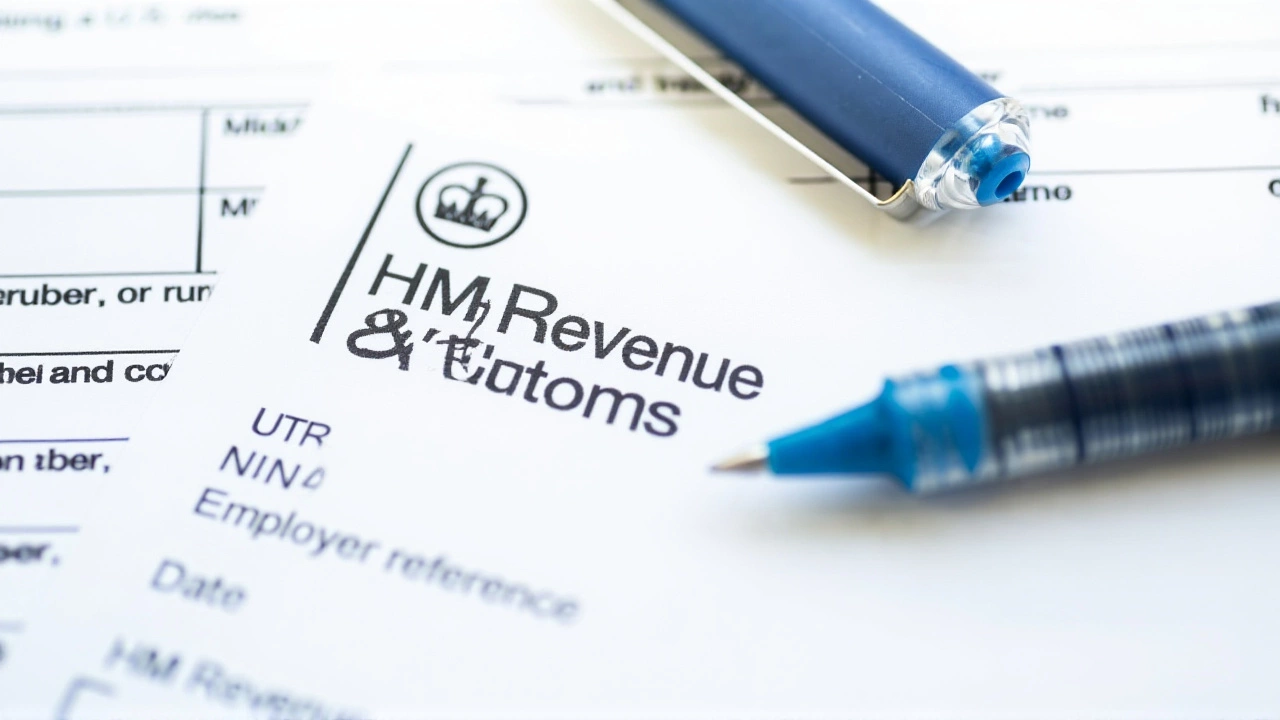
It’s the kind of nightmare every retiree dreads but rarely expects: opening a letter from His Majesty’s Revenue and Customs (HMRC) only to discover you’ve been underpaid for years. And now, it seems, thousands of people across the United Kingdom are facing exactly that scenario. Reports indicate that a significant administrative error has left many pensioners owed more than £8,000 in missed state pension payments. For those living on fixed incomes, this isn’t just a bureaucratic hiccup—it’s a financial lifeline that was cut off without warning.
The twist is that this isn't an isolated case of one person's bad luck. It appears to be a systemic glitch affecting a broad swath of the population. While specific details are still emerging, the core issue revolves around how HMRC calculated tax-free allowances or processed pension credits for certain demographics. The result? A silent drain on household budgets that only became visible when the debt—or rather, the credit—was finally acknowledged.
The Scale of the Oversight
Here’s the thing about government errors: they tend to hide in plain sight until the numbers add up. In this instance, the figure of £8,000 stands out as particularly jarring. That’s not pocket change; that’s a holiday, a new car, or several months of heating bills. Early estimates suggest that tens of thousands of individuals could be affected, though the exact headcount remains fluid as agencies scramble to identify who qualifies for back pay.
But wait, why didn’t anyone notice sooner? The complexity of the UK’s pension system means that small discrepancies can compound over years. If a pensioner was incorrectly taxed or denied a specific allowance starting five or six years ago, the total arrears can easily climb into the four-figure range. For many, the realization came not from a proactive notification, but from checking their annual tax statements or receiving unexpected correspondence from the Department for Work and Pensions (DWP).
Who Is Affected?
While the net is wide, it doesn’t catch everyone. The primary victims appear to be those who received their state pension through specific payment channels that were subject to the calculation error. This includes individuals who may have had their pensions paid directly into bank accounts via methods that didn’t trigger standard reconciliation checks.
Interestingly, the error seems to disproportionately impact older retirees who have been drawing pensions for longer periods. The longer you’ve been on the system, the bigger the gap between what you should have received and what you actually got. For a 75-year-old who started receiving their pension at 65, that’s a decade of potential shortfalls. It’s a cruel irony—the very people the safety net is designed to protect are the ones finding holes in it.
Official Response and Remediation
When pressed for comments, spokespeople for HMRC have acknowledged the issue, though the language used is typically cautious. They’ve stated that investigations are underway to determine the full scope of the error and that corrective measures are being implemented. But “underway” is a word that offers little comfort to someone waiting for a paycheck that’s been missing for years.
The process for claiming these funds is expected to be automatic for most affected individuals. Ideally, HMRC will issue refunds or adjust future payments to account for the arrears. However, history suggests that “automatic” often comes with a asterisk. Some pensioners may need to take proactive steps to verify their eligibility, adding another layer of stress to an already confusing situation.
Broader Implications for Trust
This incident strikes at the heart of public trust in government institutions. When citizens pay taxes diligently for decades, they expect the return on investment to be accurate and timely. An error of this magnitude undermines that social contract. It raises questions about internal controls, oversight mechanisms, and whether similar glitches might be lurking elsewhere in the system.
Moreover, the timing couldn’t be worse. With the cost of living crisis still biting hard across the UK, every pound counts. For families struggling to make ends meet, losing access to thousands of pounds in rightful pension income can mean the difference between stability and hardship. It’s not just about money; it’s about dignity and security in retirement.
What Comes Next?
In the immediate term, affected pensioners should keep an eye on their post and online banking statements. HMRC is likely to begin issuing notifications soon. If you suspect you’ve been underpaid, don’t wait. Contact your local pension service center or visit the official GOV.UK website for guidance. Document everything—keep copies of letters, notes of phone calls, and screenshots of online interactions.
Looking ahead, there will likely be calls for parliamentary scrutiny. MPs will want answers: How did this happen? Who is responsible? What safeguards are being put in place to prevent a repeat? These aren’t just political questions; they’re essential for ensuring that the next generation of retirees won’t face the same uncertainty.
Frequently Asked Questions
How do I know if I am owed money by HMRC?
You may receive a direct notification from HMRC if you are identified as affected. However, if you haven’t heard anything yet, check your annual tax statement or contact HMRC directly. Look for discrepancies in your pension payments over the last few years, especially if you’ve noticed unexplained deductions or lower-than-expected amounts.
Will I have to pay tax on the backdated pension payments?
Generally, backdated pension payments are treated as income for the year they are received, which could push you into a higher tax bracket. However, HMRC often provides relief mechanisms for such situations to avoid penalizing individuals for errors not their fault. Consult a tax advisor or check GOV.UK guidelines for specific rules on ‘spread’ relief for lump-sum payments.
How long will it take to receive my refund?
Timelines vary, but initial reports suggest that processing times could range from several weeks to a few months. HMRC is working to prioritize these payments, but given the volume of cases, delays are possible. Keep records of all communications to expedite any follow-ups.
What caused this specific HMRC error?
The exact technical cause is still under investigation, but it is believed to stem from a miscalculation in how certain pension allowances were applied or updated in the system. This type of systemic error often occurs during software updates or changes to legislative parameters that aren’t fully reconciled with existing data sets.
Can I claim compensation for the distress caused?
While HMRC typically repays the owed amount plus interest, additional compensation for distress is less common unless negligence is proven. However, if the delay in payment causes further financial harm, you may have grounds for a complaint through the Parliamentary and Health Service Ombudsman. Seek legal advice if you believe you’ve suffered significant loss beyond the unpaid pension.