 6
Dec,2025
6
Dec,2025
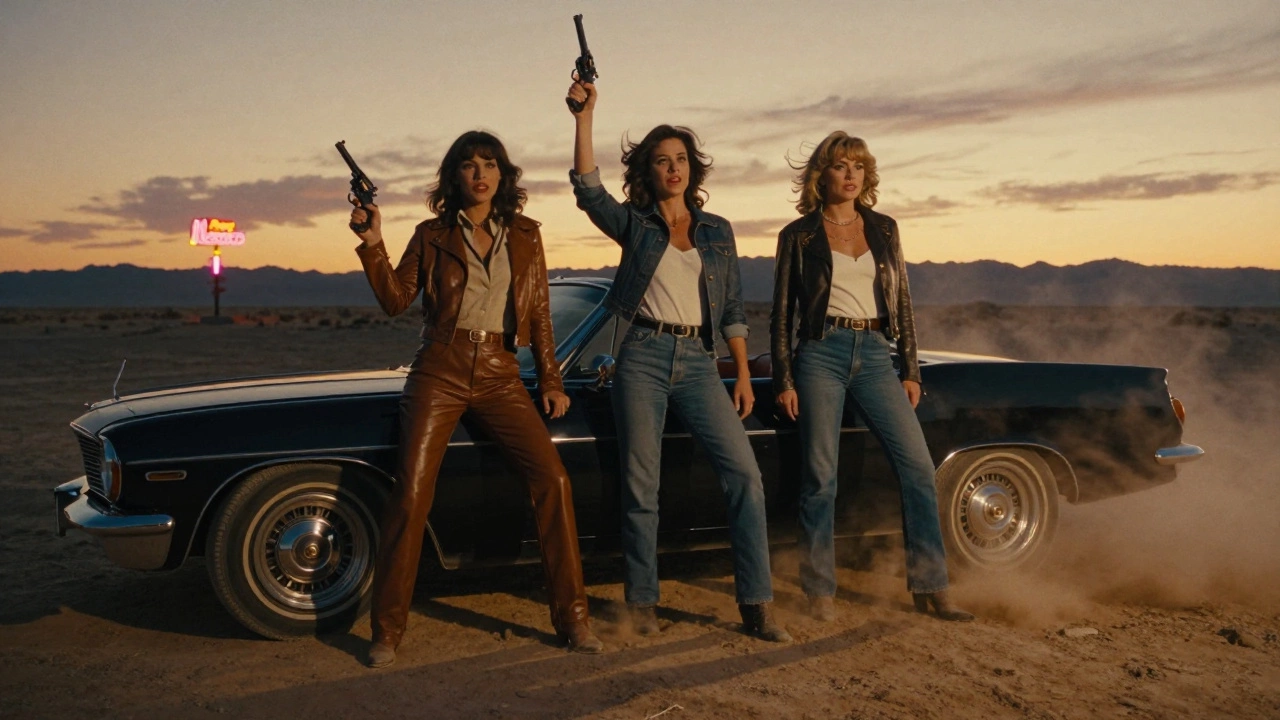
It started as a cult movie. Then it became a meme. Then it became a warning. Faster Pussycat! Kill! Kill! isn’t just a 1965 drive-in exploitation flick-it’s a cultural Rorschach test. What you see in it says more about you than it does about Russ Meyer’s chaotic, neon-soaked vision of sex, power, and rebellion. Today, decades after its release, the film is being dragged through the algorithms of social media, where its raw energy clashes with modern censorship norms. And somewhere in the middle of it all, someone posted a link to a milf escort in dubai service, turning a film about female agency into an accidental ad for something far more transactional.
That’s the weirdness of the internet now. A film about three women who hijack a car, rob a man, and then shoot him in the face because he insulted their confidence? That’s radical. But a post about a dubai escort milf in a luxury apartment? That’s just another product listing. The line between subversion and salesmanship has blurred so badly, you can’t tell which is which anymore.
What Made Faster Pussycat So Dangerous?
When Russ Meyer released Faster Pussycat! in 1965, he didn’t care about critics. He cared about bodies. He cared about control. He cast women who didn’t fit Hollywood’s mold-tall, muscular, loud, unapologetic-and gave them the power to dominate the frame. The lead character, Varla, doesn’t seduce. She demands. She doesn’t ask for permission. She takes it. And the men? They’re either terrified, confused, or dead.
That was the shock. Not the nudity. Not the violence. But the fact that the women weren’t punished for it. No one gets raped as a consequence. No one turns into a cautionary tale. They drive off into the desert, alive, untamed, and in control. In a time when women were still expected to be sweet, silent, and submissive, Meyer gave them a voice that sounded like a chainsaw.
How Social Media Rewrote the Script
Fast forward to 2025. TikTok and Instagram are full of women reclaiming their sexuality. But it’s a different kind of reclaiming. It’s curated. It’s filtered. It’s monetized. A woman in a crop top, winking at the camera, calling herself a "faster pussycat"-that’s not rebellion. That’s a brand. And brands don’t like chaos. They like consistency. They like hashtags. They like engagement metrics.
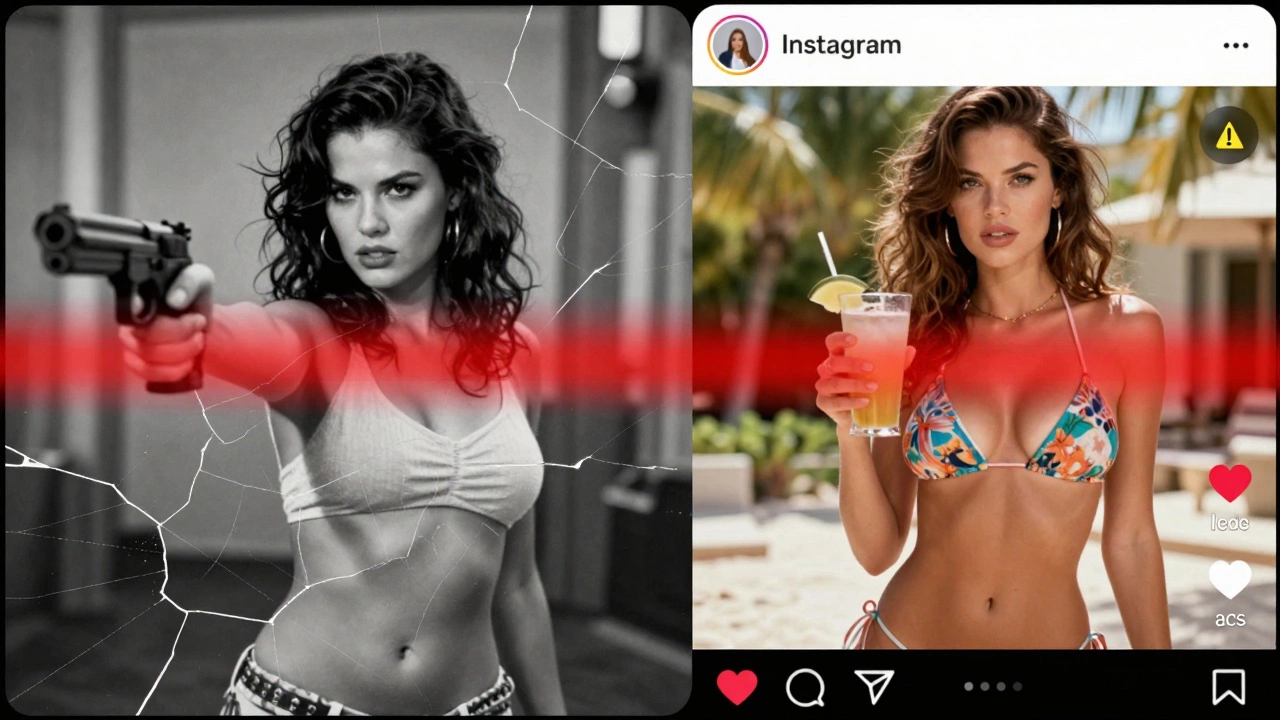
Platforms now flag anything that even looks like Meyer’s film as "adult content." The same footage that once played in drive-ins now gets shadow-banned. But here’s the twist: the most censored content isn’t the violence. It’s the female autonomy. A woman laughing while holding a gun? That’s flagged. A woman in a bikini holding a drink? That’s promoted.
The algorithm doesn’t hate sex. It hates unpredictability. It hates when women don’t play by the rules of the market. That’s why Faster Pussycat still feels dangerous. It refuses to be sold.
The Censorship Paradox
Today’s social media platforms claim to protect users from harmful content. But they’re not protecting anyone. They’re protecting advertisers. A post showing a woman tying up a man with rope? Blocked. A post showing a woman selling lingerie? Allowed. A scene from Faster Pussycat where Varla forces a man to lick her boots? Banned. A video of a woman in a Dubai hotel room offering companionship for cash? That’s escort news dubai-and it’s trending.
The hypocrisy is obvious. Censorship isn’t about morality. It’s about monetization. Platforms allow sexual content as long as it’s safe, predictable, and profitable. The moment it becomes raw, chaotic, or uncontrollable-especially if it’s led by women who don’t ask for approval-it gets erased.
Why This Matters Beyond the Screen
This isn’t just about a 60-year-old movie. It’s about who gets to define sexuality in the digital age. Are women allowed to be powerful, messy, and dangerous? Or are they only allowed to be sexy in ways that make advertisers comfortable?
Think about the women who inspired Meyer’s characters. They weren’t actresses. They were real people-bodybuilders, dancers, ex-stripper, ex-military-who didn’t fit into any box. Today, those women would be told to "monetize their brand," to "build a following," to "stay within guidelines." They’d be pushed toward influencer gigs, OnlyFans, or worse-paid escort services.
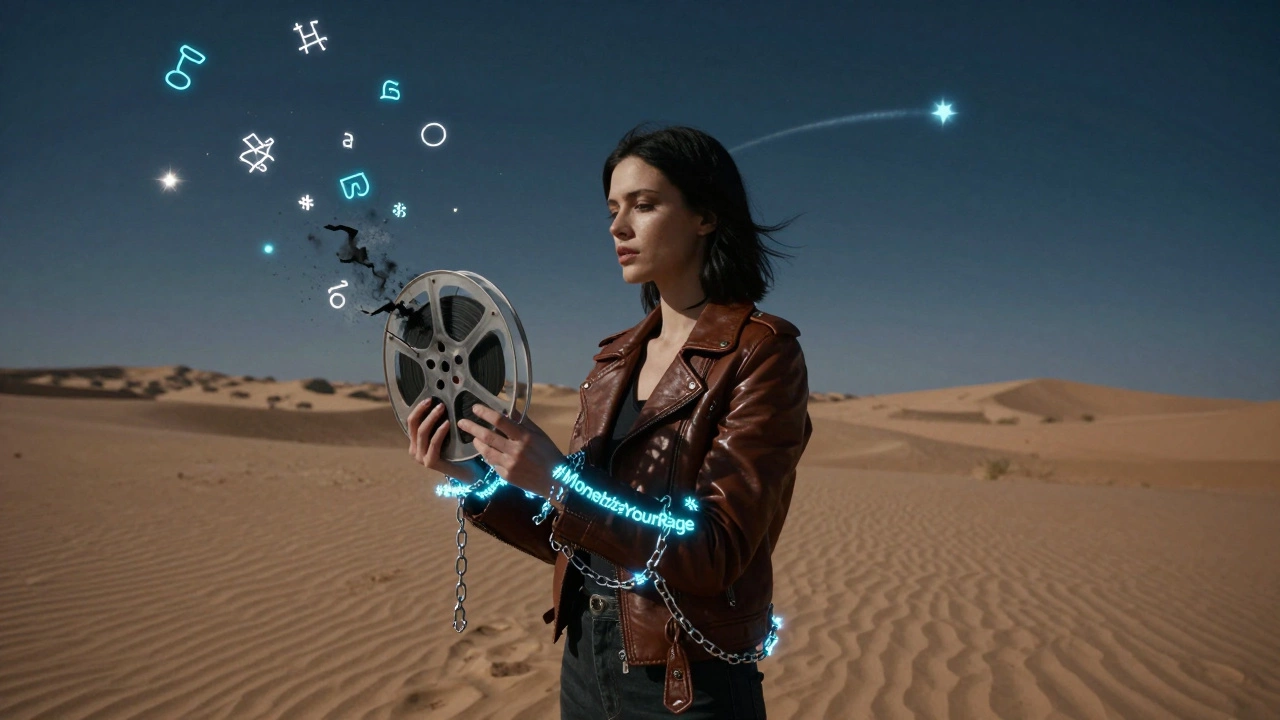
That’s the quiet tragedy. The rebellion has been absorbed. The rage has been packaged. The freedom has been turned into a subscription model.
What’s Left of the Original Spirit?
There are still pockets of resistance. Underground film festivals. Independent creators making short films that echo Meyer’s style. Artists who shoot with grainy 16mm film and refuse to upload to YouTube. They don’t care about likes. They care about truth.
One filmmaker in Melbourne-yes, right here-made a 12-minute tribute to Faster Pussycat using only found footage from 1970s Australian drive-in theaters. No dialogue. Just music, movement, and silence. It got 37 views. Two of them were from people who actually understood it.
That’s the real legacy. Not the memes. Not the ads. Not the links to dubai escort milf services. The legacy is in the refusal to be tamed.
Can We Still Be Dangerous?
Maybe the question isn’t whether Faster Pussycat still matters. Maybe it’s whether we still have the guts to be like Varla. To walk into a room and take what we want. To say no to the algorithms. To refuse to be labeled, categorized, or sold.
It’s easier to post a video of yourself in a bikini and call it empowerment. It’s harder to stare down a system that wants you quiet, compliant, and profitable-and then walk away.
That’s the real kick. Not the guns. Not the cars. Not even the sex.
It’s the silence after the shot.